Foot pain in the sole: plantar fasciitis exercises
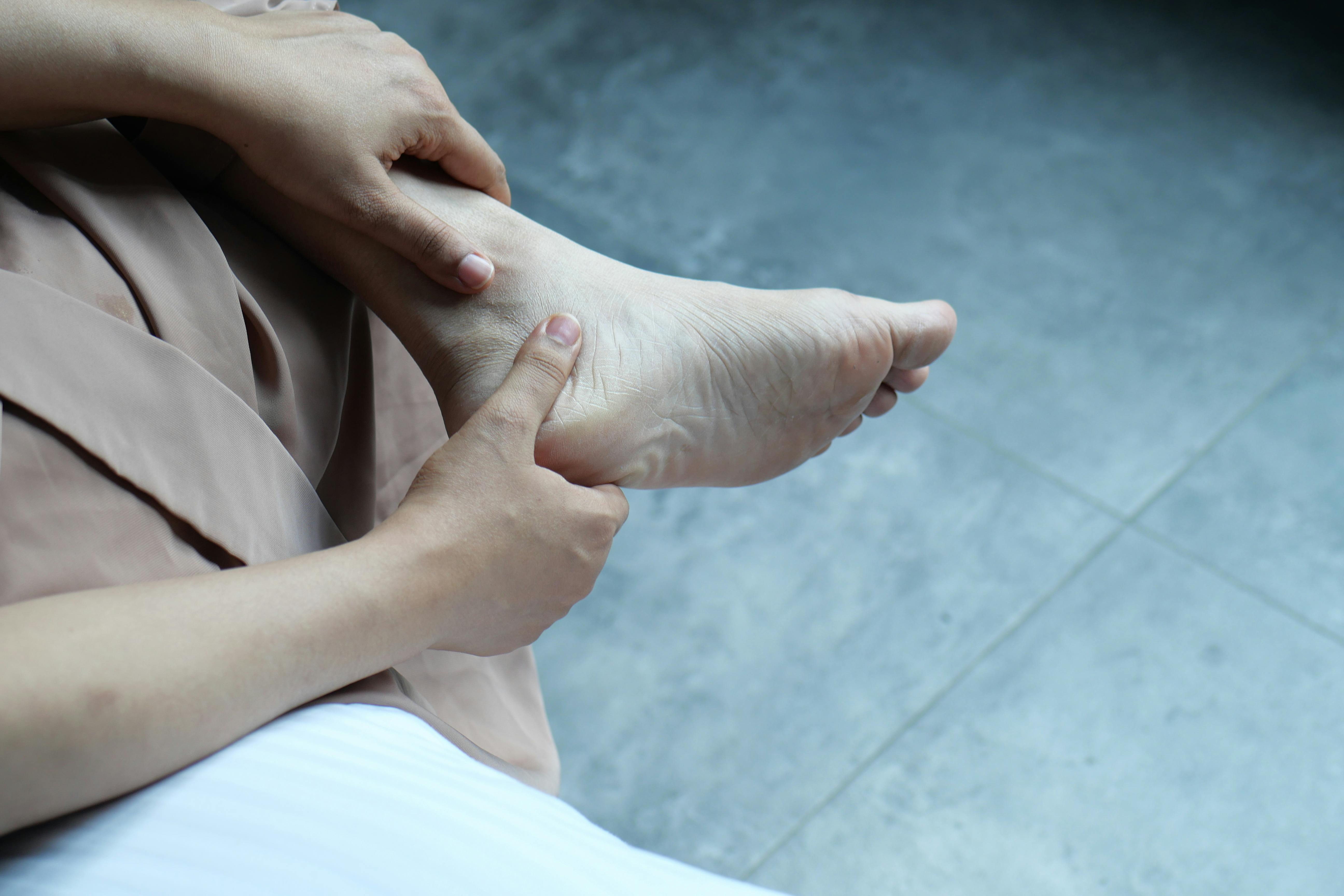
Foot pain in the sole, heel, or arch is a common issue that can significantly affect how you move day to day. Many people notice it first thing in the morning, when taking their first steps, or after periods of rest, when the foot can feel stiff, sore, and difficult to load.
At Broadstone Movement Clinic, we regularly see individuals dealing with this type of pain, often linked to plantar fasciitis. While it can feel persistent and frustrating, it is usually something that responds well to the right approach.
In this blog, we explore how targeted foot exercises can help reduce pain, improve the foot's tolerance to load, and support a return to normal movement, based on how we guide patients in practice.
What is plantar fasciitis?
Plantar fasciitis is one of the most common causes of pain in the sole of the foot, particularly around the heel and along the arch. It involves irritation of the plantar fascia, a thick band of tissue that runs from the heel to the toes and helps support the foot during movement.
From a clinical perspective, this condition is not simply an “inflammation” problem, as the name might suggest. More often, it reflects how well the tissue is tolerating load over time. When the plantar fascia is placed under more stress than it can currently manage, it can become sensitive and painful.
This is why symptoms are often felt:
- Around the heel, especially during the first few steps in the morning, when the tissue has been relatively inactive and suddenly has to take on load again.
- Through the arch of the foot when walking or standing for longer periods, as the tissue is repeatedly loaded throughout the day.
- After the activity rather than during it, as the cumulative stress begins to build up in the tissue.
Understanding this helps shift the focus away from simply trying to “rest” the foot, and towards improving how well it can handle load. This is where targeted exercises become an important part of recovery.
Why does foot pain happen?
When people experience pain in the sole, heel, or arch of the foot, the natural question is “why has this started?” In many cases, it is not caused by a single event, but rather how the foot has been coping with load over time.
At Broadstone Movement Clinic, we often see that foot pain develops when there is a mismatch between what the foot is being asked to do and what it is prepared to do. This may build gradually, rather than appearing suddenly.
In practice, common contributing factors include:
- A sudden increase in activity levels, such as more walking, running, or time spent on your feet, can put an excessive load on the plantar fascia beyond what it is used to.
- Prolonged periods of standing or walking on hard surfaces, which can repeatedly stress the tissues on the underside of the foot without enough variation or recovery.
- Reduced strength or control in the foot and lower leg, meaning the load is not distributed as efficiently through the foot during movement.
- Changes in footwear, particularly moving to less supportive or unfamiliar shoes, can alter how forces are absorbed through the foot.
- Limited movement through the ankle or calf, which can place additional strain on the plantar fascia as the body compensates during walking.
What is important to recognise is that these factors often combine. The pain is rarely caused by one single issue, but by how the foot has been managing repeated stress over time.
This is why simply resting the foot does not always resolve the problem. Instead, improving how the foot moves and how well it tolerates load is often a more effective approach.
Exercises for plantar fasciitis
Once symptoms have settled slightly, the focus shifts to improving the foot's tolerance to load. This is a key part of managing plantar fasciitis, as the goal is not just to reduce pain, but to help the tissue become more resilient over time.
At Broadstone Movement Clinic, we guide patients through exercises that progressively reintroduce load in a controlled way. Rather than avoiding pressure through the foot, these exercises help the plantar fascia adapt and function more effectively during everyday movement. In practice, we focus on a combination of mobility, control, and strength.
Controlled foot loading
One of the most important starting points is helping the foot tolerate body weight again, gradually and under controlled conditions.
This involves:
- Applying gentle, progressive pressure through the foot while standing, allowing the tissue to reintroduce load without being overwhelmed.
- Shifting weight slightly forwards, backwards, and side to side, which helps distribute load across different areas of the foot rather than repeatedly stressing one point.
- Maintaining a relaxed but stable foot position, avoiding excessive gripping or tension through the toes, as this can increase sensitivity.
These small adjustments help build confidence in loading the foot again and reduce the tendency to offload or avoid pressure.
Foot and arch control
Improving how the foot controls movement is just as important as building strength. This helps ensure the load is more evenly distributed across the foot during walking and standing.
We typically encourage:
- Gently lifting and lowering the arch without curling the toes helps activate the muscles that support the foot without creating unnecessary tension.
- Maintaining contact through the heel, base of the big toe, and base of the little toe, which creates a stable foundation for movement.
- Controlling the foot's position during simple movements, such as standing or shifting weight, rather than allowing it to collapse or become rigid.
This type of control work helps the foot become more efficient, which can reduce strain on the plantar fascia.
Calf and ankle contribution
The foot does not work in isolation, and limitations further up the chain can increase stress through the sole of the foot. For this reason, we also incorporate exercises that improve how the calf and ankle contribute to movement:
- Gentle calf raises to introduce load through the entire chain, helping the foot and lower leg work together more effectively.
- Controlled ankle movement, particularly into dorsiflexion, can reduce compensatory strain on the plantar fascia during walking.
- Gradually increasing load through single-leg variations where appropriate, to build strength in a way that reflects real-life movement.
By improving ankle and calf function, we can reduce the direct load on the foot.
Building tolerance over time
One of the most important aspects of these exercises is consistency and progression.
Rather than looking for immediate relief, the focus should be on gradually increasing what the foot can tolerate. This might involve:
- starting with lower loads and shorter durations, particularly if symptoms are easily aggravated.
- progressively increasing the amount of weight or time spent loading the foot, as confidence and tolerance improve.
- monitoring symptoms and adjusting accordingly, ensuring that exercises challenge the foot without significantly worsening pain.
This approach allows the plantar fascia to adapt over time, which is key to long-term improvement.
Bringing these exercises into practice
Understanding the principles behind these exercises is important, but seeing them applied in practice can make them much easier to follow.
Below, we demonstrate a series of foot exercises that focus on controlled loading, improving foot and arch function, and building strength through the foot and lower leg. These movements reflect how we guide patients through plantar fasciitis in the clinic, using simple, progressive exercises to help the foot tolerate load more effectively.
After working through these movements, the next step is to understand when symptoms may require further assessment and how to manage progression safely.
When to seek help
While foot pain in the sole, heel, or arch is often manageable with the right exercises and gradual loading, there are times when a more detailed assessment is important.
At Broadstone Movement Clinic, we look not just at the symptoms but also at how the foot functions as part of the wider movement system. In some cases, ongoing pain can indicate that the tissue is not adapting as expected or that other factors are contributing.
It may be worth seeking professional guidance if:
- Your symptoms are not improving over several weeks despite regular exercise, which may suggest the load or approach needs adjustment.
- Pain is becoming more persistent or limiting daily activities, such as walking, standing, or training.
- You are unsure how to progress your exercises safely, particularly when increasing load or returning to higher levels of activity.
- Symptoms are recurring, indicating that the underlying cause has not been fully addressed.
Early guidance can help ensure you load the foot appropriately and progress in a way that supports long-term recovery, rather than repeatedly aggravating the issue.
Need support with foot pain?
If you are dealing with ongoing foot pain in the sole, heel, or arch, having the right guidance can make a significant difference to your recovery.
At Broadstone Movement Clinic, we combine clinical expertise with practical, exercise-based rehabilitation to help you move more comfortably and return to the activities you enjoy. Rather than focusing solely on symptoms, we assess how your foot, ankle, and lower body work together and build a plan that supports long-term improvement.
Whether your goal is to walk without discomfort, return to training, or prevent symptoms from coming back, our team can help you progress with confidence.
Take the next step towards recovery
If you are experiencing pain, stiffness or changes in mobility, our team can provide a thorough assessment and clear treatment plan.